
Product Introduction
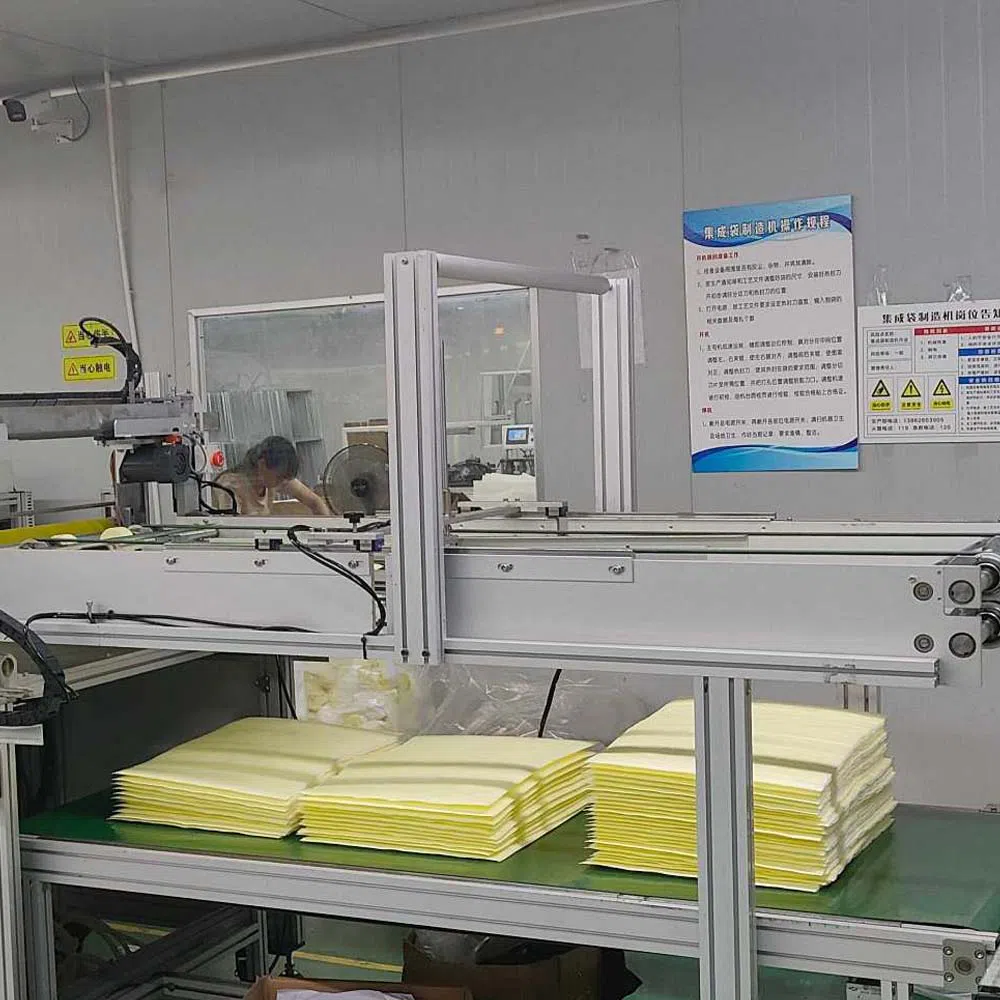
Multilayer Synthetic Bag Filter Media is a next-generation air purification solution designed with a multi-stage fiber architecture to achieve enhanced contaminant control. Unlike conventional single-layer filter materials, it integrates two to four individually structured synthetic layers with varying densities, forming a unified composite through thermal bonding technology without chemical binders. The progressive layer arrangement allows the front section to intercept larger dust particles, while the finer inner layers capture smaller airborne pollutants and microscopic particles.
Produced from premium virgin polyester or polypropylene fibers, this advanced filter media offers excellent consistency, mechanical stability, and long-lasting durability. The optimized layered construction provides high dirt-holding capability, smooth airflow characteristics, and dependable filtration results, making it a preferred option for HVAC specialists, equipment manufacturers, and industrial facilities requiring reliable air cleaning with reduced maintenance frequency.
General Specifications
The technical parameters of Multilayer Synthetic Bag Filter Media follow international testing standards. Below are the key specifications:
1.Ordinary filter material
| Efficiency Grade | G4 | F5 | F6 | F7 | F8 | F9 |
| Filtration Efficiency | 35% | 45% | 65% | 85% | 95% | 98% |
| Dust Holding Capacity | 78g/㎡ | 75g/㎡ | 68g/㎡ | 62g/㎡ | 55g/㎡ | 51g/㎡ |
| Pressure Drop | 6±2Pa | 7±2Pa | 9±2Pa | 12±2Pa | 14±2Pa | 24±2Pa |
| Basis Weight | 67±5g/㎡ | 77±5g/㎡ | 87±5g/㎡ | 97±5g/㎡ | 107±5g/㎡ | 122±5g/㎡ |
| Thickness | 1.36mm | 1.4mm | 1.66mm | 1.72mm | 1.8mm | 1.85mm |
| Number of Layers | 3 | 3 | 3 | 3 | 3 | 4 |
| Test Conditions | 32 L/min, 0.3 µm particle size. | |||||
2.High dust holding capacity filter material
| Efficiency Grade | F5 | F6 | F7 | F8 | F9 |
| Filtration Efficiency | 45% | 65% | 85% | 95% | 98% |
| Dust Holding Capacity | 172g/㎡ | 164g/㎡ | 150g/㎡ | 142g/㎡ | 102g/㎡ |
| Pressure Drop | 12±2Pa | 14±2Pa | 20±2Pa | 22±2Pa | 28±2Pa |
| Basis Weight | 165±5g/㎡ | 165±5g/㎡ | 180±5g/㎡ | 187±5g/㎡ | 192±5g/㎡ |
| Thickness | 3.65mm | 3.65mm | 3.72mm | 3.76mm | 3.96mm |
| Number of Layers | 3 | 3 | 4 | 4 | 4 |
| Test Conditions | 32 L/min, 0.3 µm particle size. | ||||
Product Features
Multilayer Synthetic Bag Filter Media delivers superior performance through its innovative composite structure. Key features include:
Progressive Density Design: Each layer targets a specific particle size range, maximizing the dust holding capacity while maintaining low resistance throughout service life.
Excellent Energy Efficiency: The gradient structure reduces initial pressure drop by 15-20% compared to single-layer media of equivalent efficiency, lowering fan energy consumption.
No Fiber Shedding: Thermal bonding eliminates adhesives that can degrade or off-gas, ensuring clean downstream air. This non woven bag filter material releases no loose fibers into the airstream.
Moisture Resistant: Polyester fibers maintain structural integrity in humidity up to 100% RH, making this multilayer synthetic filtration fabric suitable for coastal climates and HVAC systems with wash-down requirements.
Product Applications
Multilayer Synthetic Bag Filter Media serves diverse industries where air quality directly impacts operations:
Commercial Office Buildings: This media removes pollen, dust, and airborne particulates from ventilation air, improving occupant comfort and reducing HVAC maintenance frequency.
Pharmaceutical Manufacturing: The multilayer structure captures fine powder residues generated during tablet pressing and encapsulation processes, protecting workers and equipment.
Food Processing Plants: This non woven bag filter material performs reliably in refrigerated and high-humidity environments common in food production facilities.
Automotive Paint Shops: The high dust holding filter media properties allow extended service intervals between bag replacements in overspill collection systems.
Electronics Assembly: Cleanroom pre-filtration benefits from this gradient density design that extends final HEPA filter life by removing coarse particulates first.


