
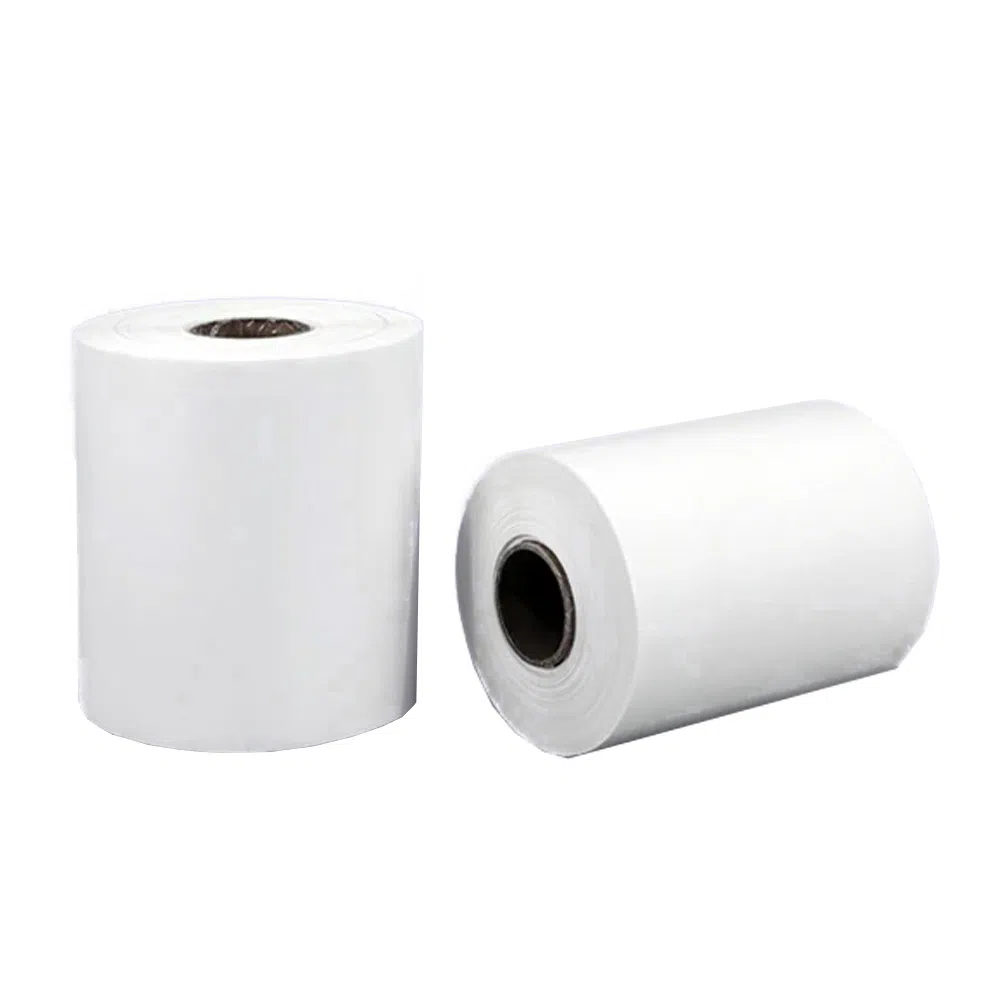
Product Introduction
Chemical Resistant PTFE Media is manufactured from high-performance PTFE and designed for air and gas filtration applications where filtration media may be exposed to corrosive vapors, solvents, chemicals, or demanding process conditions. The microporous PTFE structure provides efficient particle filtration while maintaining the inherent chemical stability and hydrophobic characteristics of PTFE.
As a professional filtration media manufacturer, we provide flexible material configurations for different filter designs and production requirements. The membrane can be supplied as a standalone material or combined with suitable support layers to improve mechanical strength, pleating performance, handling, and compatibility with downstream filter manufacturing processes.
Our production team focuses on consistent membrane quality, controlled material properties, and reliable batch-to-batch performance, helping customers develop filtration products for demanding industrial environments.
Product Parameters
| Filter class | H11 | H12 | H13 | H14 | U15 | U16 |
Basic weight (g/㎡) | 80±5 | 80±5 | 80±5 | 80±5 | 80±5 | 80±5 |
| Thickness(mm) | 0.30±0.05 | 0.30±0.05 | 0.30±0.05 | 0.30±0.05 | 0.30±0.05 | 0.30±0.05 |
| Efficiency(≥%) | 95 | 99.5 | 99.95 | 99.995 | 99.9995 | 99.99995 |
| Resistance(Pa) | 40±20 | 95±20 | 120±30 | 150±30 | 220±30 | 250±30 |
| Material safery | The material itself is odorless and will not release B, P elements or other anions and cations during use. | |||||
Product Advantages
Chemical Resistant PTFE Media combines the chemical stability of PTFE with a porous filtration structure, making it suitable for specialized air and gas filtration systems. Key advantages include:
Excellent Chemical Stability: PTFE provides strong resistance to many chemicals, solvents, and corrosive process environments.
Corrosion Resistance: The stable fluoropolymer structure helps maintain filtration performance when exposed to demanding chemical atmospheres.
Hydrophobic Performance: The naturally water-repellent PTFE membrane provides good moisture resistance and supports stable operation in humid conditions.
Fine Particle Filtration: The controlled microporous structure enables effective separation of fine airborne particles.
Thermal Stability: PTFE maintains useful material stability across demanding operating temperatures, subject to specific application conditions.
Flexible Construction: The membrane can be laminated with compatible support materials to improve strength and processing performance.
Customized Specifications: We can develop different thicknesses, dimensions, membrane structures, and composite configurations according to customer requirements.
Quality Control: We emphasize process consistency and material inspection to provide reliable media for professional filter manufacturers.
Applications
With its combination of chemical resistance, filtration performance, and processing flexibility, Chemical Resistant PTFE Media is suitable for specialized filtration applications across several industries.
Chemical Processing: Used for process ventilation and air or gas filtration where corrosive vapors may be present.
Pharmaceutical Manufacturing: Suitable for controlled production environments requiring chemically stable filtration materials.
Semiconductor Production: Applicable to specialized air and gas filtration systems used in demanding manufacturing environments.
Industrial Ventilation: Designed for filtration systems exposed to aggressive industrial atmospheres and process gases.
Laboratory Equipment: Suitable for laboratory ventilation and specialized air purification equipment.
Solvent and Gas Filtration: Can be incorporated into systems requiring a chemical resistant filtration material for demanding process conditions.
Acidic Environments: The corrosion resistant PTFE structure can be considered for selected acidic applications after compatibility evaluation.
Specialized Filter Manufacturing: The material can be customized as an acid resistant filter media solution based on the specific chemical concentration, temperature, airflow, and operating conditions.


